

Web Portal – Meaning, Uses, Benefits, and How It Works
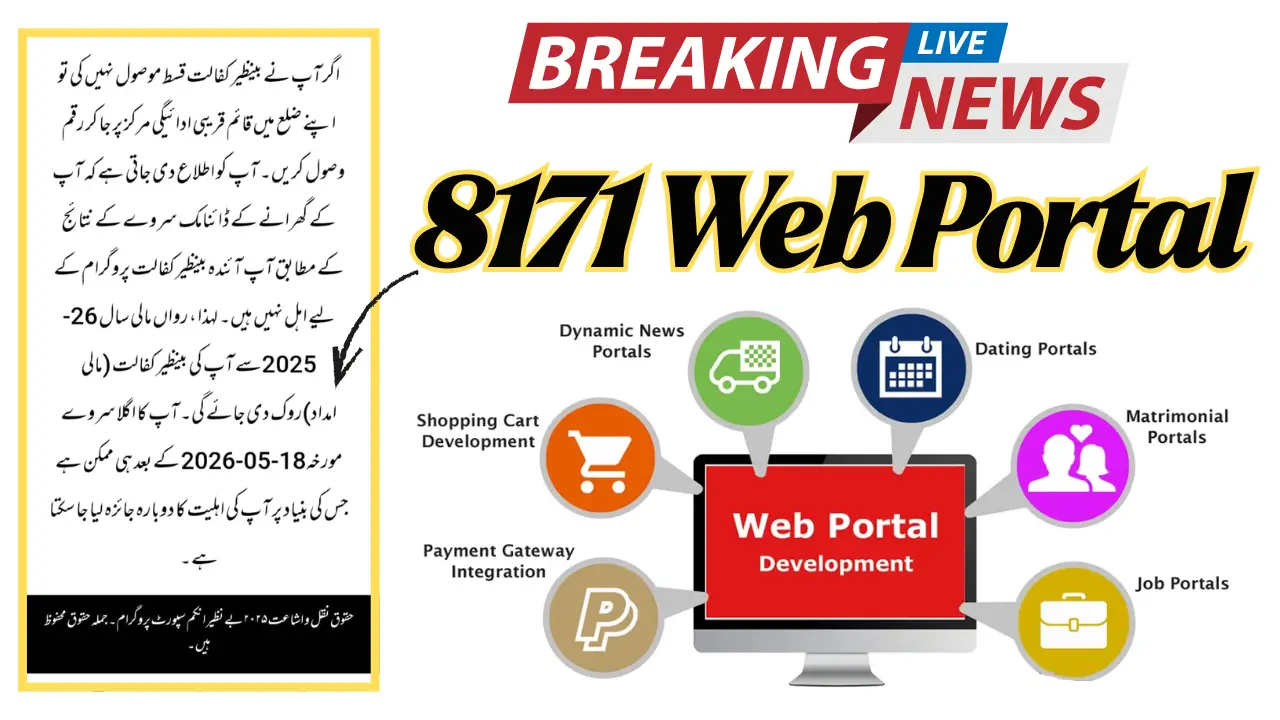
Introduction – What Is a Web Portal?
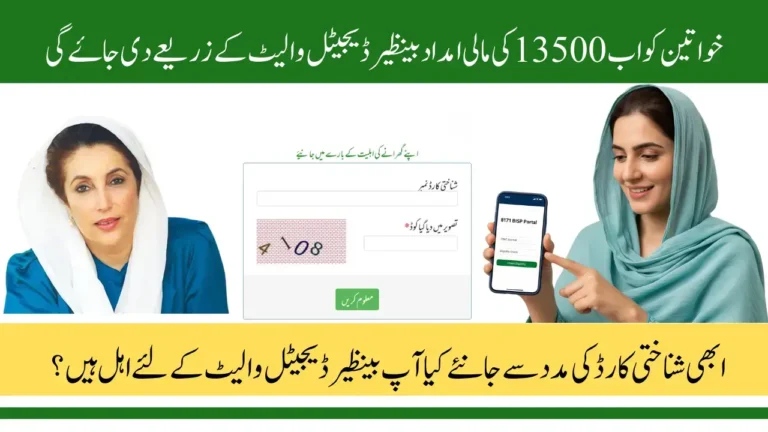
A 8171 web portal is a website that provides users with access to different types of information and services in one place. It works as a gateway that connects users to important tools, applications, and data. For example, in Pakistan, many government and educational programs use web portals to help people register, check their information, or apply for benefits easily.
How a Web Portal Works
A web portal works by collecting information from various sources and showing it in an organized way on one platform. Users can log in using their username or CNIC and access personalized details. Behind the portal, databases and servers work together to update and manage the information automatically.
Types of Web Portals
1. Government Web Portals
These portals are created by government departments to provide online services like registration, payment tracking, and application submission.
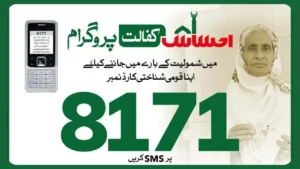
Example: 8171 Ehsaas Program Portal or Punjab Government Citizen Portal.
2. Educational Web Portals
Used by schools, colleges, and universities for students to check results, submit assignments, and access learning material.
Example: HEC Scholarship Portal.

3. Business Web Portals
Companies use them to manage employee data, customer information, and online transactions.
4. Personal Web Portals
These are customized pages where users collect information from different sites, such as news, emails, or calendars.
Main Features of a Web Portal
- Secure user login system
- Personalized dashboard
- Online forms and application system
- Real-time updates and notifications
- Data storage and record tracking
- Easy access from mobile or desktop
Benefits of Using Web Portals
Web portals make life easier by bringing everything into one platform. They save time, reduce paperwork, and help users find important information without visiting offices. They also improve transparency and make public services more efficient.

Examples of Popular Web Portals in Pakistan
| Web Portal Name | Purpose | Access Link |
|---|---|---|
| 8171 Ehsaas Portal | Check eligibility and payment status | 8171.pass.gov.pk |
| HEC Scholarship Portal | Apply for scholarships | hec.gov.pk |
| NADRA Portal | Manage ID card and verification services | id.nadra.gov.pk |
| Punjab Citizen Portal | File complaints or check status | citizenportal.punjab.gov.pk |
| FBR Tax Portal | File income tax returns online | fbr.gov.pk |
How to Access a Web Portal
- Open your browser (like Chrome or Firefox).
- Type the official web portal link in the address bar.
- Register or log in using your credentials (such as CNIC or email).
- Follow on-screen instructions to complete your task.
- Always ensure the portal link is official to avoid fake websites.
Difference Between a Website and a Web Portal
| Website | Web Portal |
|---|---|
| Provides general information | Provides personalized and secure access |
| Anyone can view it | Requires login for access |
| Static content | Dynamic and user-specific content |
| Example: News websites | Example: BISP or NADRA portals |
Future of Web Portals in Pakistan
Web portals are becoming more popular in Pakistan as digital services expand. The government and private sectors are improving their systems to offer online registration, payments, and updates. In the future, web portals will make public services faster, safer, and fully paperless.
Conclusion
A web portal is not just a website it’s a complete online system that connects people to services, data, and opportunities. Whether for education, government programs, or business, web portals are helping Pakistan move toward a more digital and efficient future.


![BISP October 2026 Camp Payment Locations in [City/Province] Full List and Details](https://northernareas.org.pk/wp-content/uploads/2025/10/BISP-October-2026-Camp-Payment-Locations-in-CityProvince-Full-List-and-Details-768x432.webp)