IMF Petroleum Subsidy Pakistan
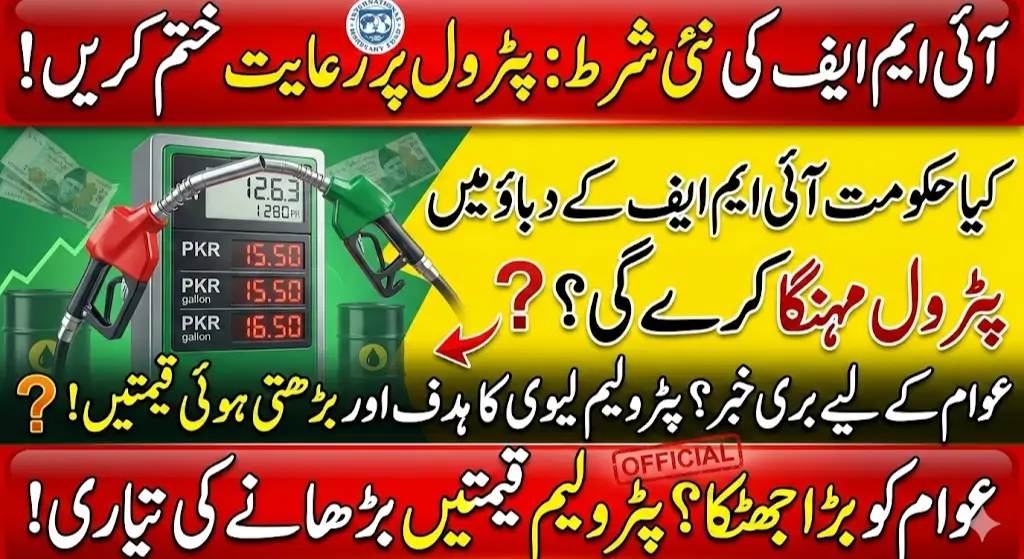
The issue of the IMF Petroleum Subsidy in Pakistan has become important as the International Monetary Fund advised the government to avoid fuel subsidies and maintain market-based pricing. The lender believes that passing global petroleum price changes directly to consumers will help maintain fiscal stability and support ongoing economic reforms. Pakistan relies heavily on imported oil, so changes in global prices directly affect the national budget and foreign reserves.
Global oil prices have remained unstable due to geopolitical tensions and supply uncertainties. When international prices increase, Pakistan’s import bill also rises. According to IMF recommendations, avoiding subsidies on petrol and diesel can prevent additional pressure on the country’s fiscal deficit. This policy approach aims to maintain transparency in fuel pricing and ensure the government meets its financial commitments.
Check PMRRP Registration Online on pmrrp.nitb.gov.pk Today
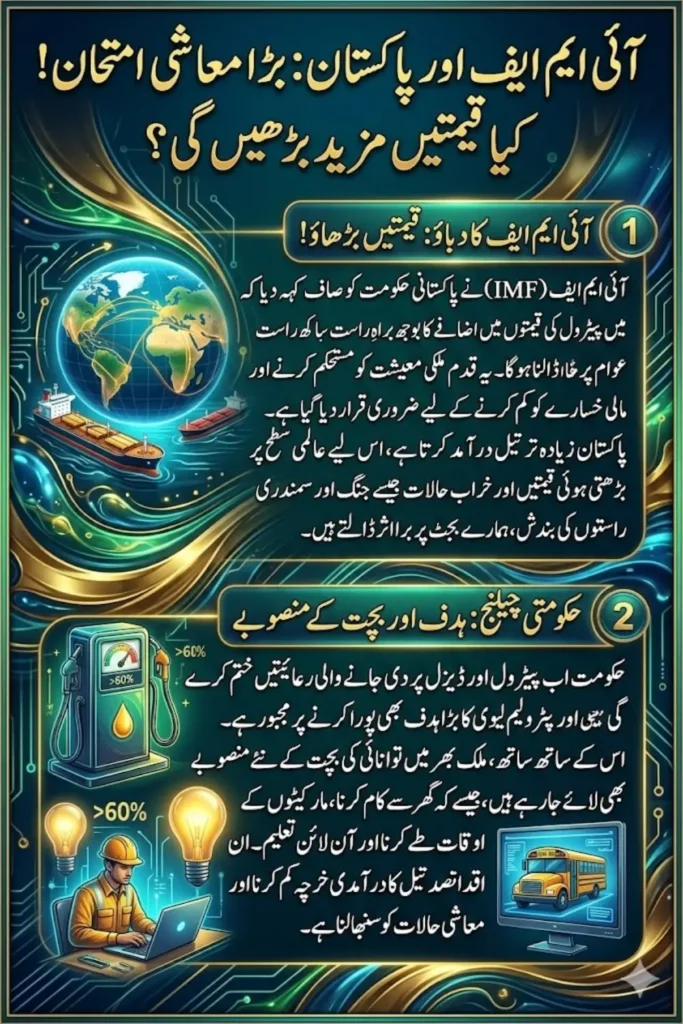
Key points related to the IMF Petroleum Subsidy in Pakistan include:
- Avoiding subsidies on petrol and diesel
- Passing international fuel price changes to consumers
- Maintaining fiscal discipline and reform commitments
- Managing economic risks caused by global oil volatility
IMF Petroleum Subsidy Pakistan Talks With Government Officials
Recent discussions between the IMF and Pakistan’s economic authorities took place through virtual meetings. These meetings focused on the potential economic impact of rising global fuel prices and possible supply disruptions. Both sides reviewed how Pakistan can protect its economy while staying aligned with IMF-supported reform programs.
Officials discussed the importance of maintaining a consistent fuel pricing policy. Temporary relief measures such as subsidies could weaken fiscal targets and create long-term economic risks. Therefore, the IMF encouraged policymakers to strengthen monitoring systems and improve energy market planning.
8171 CNIC Check 2026: Why One Verification Decides Your BISP Payment
Main areas discussed during the talks include:
- Monitoring global oil price fluctuations
- Reviewing Pakistan’s current fuel pricing mechanism
- Ensuring compliance with IMF economic programs
- Developing strategies to manage energy-related risks
Petroleum Development Levy Targets in IMF Petroleum Subsidy Pakistan
The petroleum development levy is another important topic in the IMF Petroleum Subsidy Pakistan discussions. The IMF asked the government to ensure that the levy collection target of Rs. 1.468 trillion is achieved by the end of the fiscal year on June 30. This levy is applied to petroleum products and serves as a significant source of government revenue.
Government officials reported that a large portion of the target has already been collected. During the first half of the fiscal year, from July to December, approximately Rs. 822 billion was collected. This represents more than sixty percent of the total annual goal and indicates steady progress toward meeting the fiscal target.
Petroleum Development Levy Collection Status
| Levy Category | Amount |
|---|---|
| Annual Target | Rs. 1.468 Trillion |
| Collected (July–December) | Rs. 822 Billion |
| Target Achieved | Over 60 Percent |
Important aspects of the levy policy include:
Exciting Update: Pakistan Announces Special 1 October 2026 Holiday Check Details!
- Supporting government revenue generation
- Helping maintain fiscal balance
- Reducing risks of budget shortfalls
- Strengthening economic reform efforts
Energy Consumption Measures in IMF Petroleum Subsidy Pakistan Discussions
Another part of the IMF Petroleum Subsidy Pakistan discussions focused on reducing national energy consumption. High fuel import costs place pressure on Pakistan’s current account balance. To manage this situation, authorities are evaluating policies that can lower fuel usage without stopping economic activities.
Reducing unnecessary travel and improving energy efficiency can help lower fuel demand across the country. These measures are being considered for public institutions, educational organizations, and businesses. The goal is to reduce energy consumption while maintaining productivity.
Proposed energy-saving measures include:
- Shifting schools and colleges to online classes initially
- Introducing flexible or smart working arrangements
- Setting fixed operating hours for markets
- Expanding delivery services for restaurants and stores
Impact of the Global Energy Crisis on the IMF Petroleum Subsidy Pakistan
The global energy crisis has also influenced the IMF Petroleum Subsidy Pakistan policy discussions. International oil markets have become unstable due to rising geopolitical tensions. One major concern is the disruption of shipping routes in the Strait of Hormuz, which is a key passage for global oil supplies.
BISP 8171 Check CNIC Online Portal Quick Way to Confirm Your February 2026 Payment
A large share of the world’s oil and liquefied natural gas shipments passes through this route. Any disruption in the area can lead to higher oil prices and supply shortages. For Pakistan, such developments can increase fuel costs and create additional pressure on the economy.
Global energy factors affecting Pakistan include:
- US–Iran tensions are increasing market uncertainty
- Strait of Hormuz disruptions affecting supply routes
- Higher global oil prices are raising domestic fuel costs
- Global energy volatility is creating economic challenges
Global Energy Factors Affecting Pakistan
| Global Factor | Impact on Pakistan |
|---|---|
| US–Iran tensions | Increased oil market uncertainty |
| Strait of Hormuz disruptions | Risks to global energy supply |
| Rising oil prices | Higher domestic fuel costs |
Possible Work-From-Home Policy in the IMF Petroleum Subsidy Pakistan Plan
Authorities are also considering work-from-home policies as part of the IMF Petroleum Subsidy Pakistan strategy. Remote working can reduce commuting and help decrease fuel consumption. If global energy supply disruptions increase, this approach may become an important national policy.
Digital communication platforms and remote collaboration tools can support this transition. Both public and private sectors may adopt flexible working models to reduce transportation needs while keeping operations active.
Punjab Ramzan Package 2026 Eligibility, Benefits and How to Apply
Potential fuel conservation strategies include:
- Work-from-home arrangements for government employees
- Reduced commuting for office workers
- Increased use of online communication tools
- Support for remote education and training
Upcoming Policy Decisions in IMF Petroleum Subsidy Pakistan Strategy
The government is currently preparing a comprehensive implementation plan linked to the IMF Petroleum Subsidy Pakistan framework. This strategy will guide how authorities respond to rising fuel prices and global energy uncertainty in the coming months.
The final policy decisions will depend on international market conditions and domestic economic priorities. Authorities aim to balance fiscal discipline with economic stability while ensuring the country can manage potential energy supply challenges.
Possible future policy actions include:
- Launching national fuel conservation programs
- Maintaining market-based petroleum pricing
- Encouraging efficient energy usage nationwide
- Preparing contingency plans for supply disruptions
Maryam Ko Batayn App 2026: Complete Registration Guide & Benefits
FAQs
What is IMF Petroleum Subsidy Pakistan?
It refers to IMF recommendations for Pakistan to avoid fuel subsidies and maintain market-based petrol and diesel prices.
Why does the IMF oppose petroleum subsidies in Pakistan?
Subsidies increase government spending and can widen the fiscal deficit. Market pricing helps maintain economic stability.
What is the petroleum development levy target for Pakistan?
The government aims to collect Rs. 1.468 trillion through the petroleum development levy by June 30 of the fiscal year.
How much levy has Pakistan collected so far?
Around Rs. 822 billion was collected between July and December, which is more than sixty percent of the annual target.
Why is Pakistan focusing on energy conservation policies?
Energy conservation can reduce fuel imports and help manage economic pressure caused by rising global oil prices.
YOU CAN ALSO READ: Check PMRRP Registration Online on pmrrp.nitb.gov.pk Today