BISP 8171 Scam Alert: How to Spot Fake Calls and SMS and Protect Your CNIC (Free Registration Explained)
BISP 8171 Scam Alert
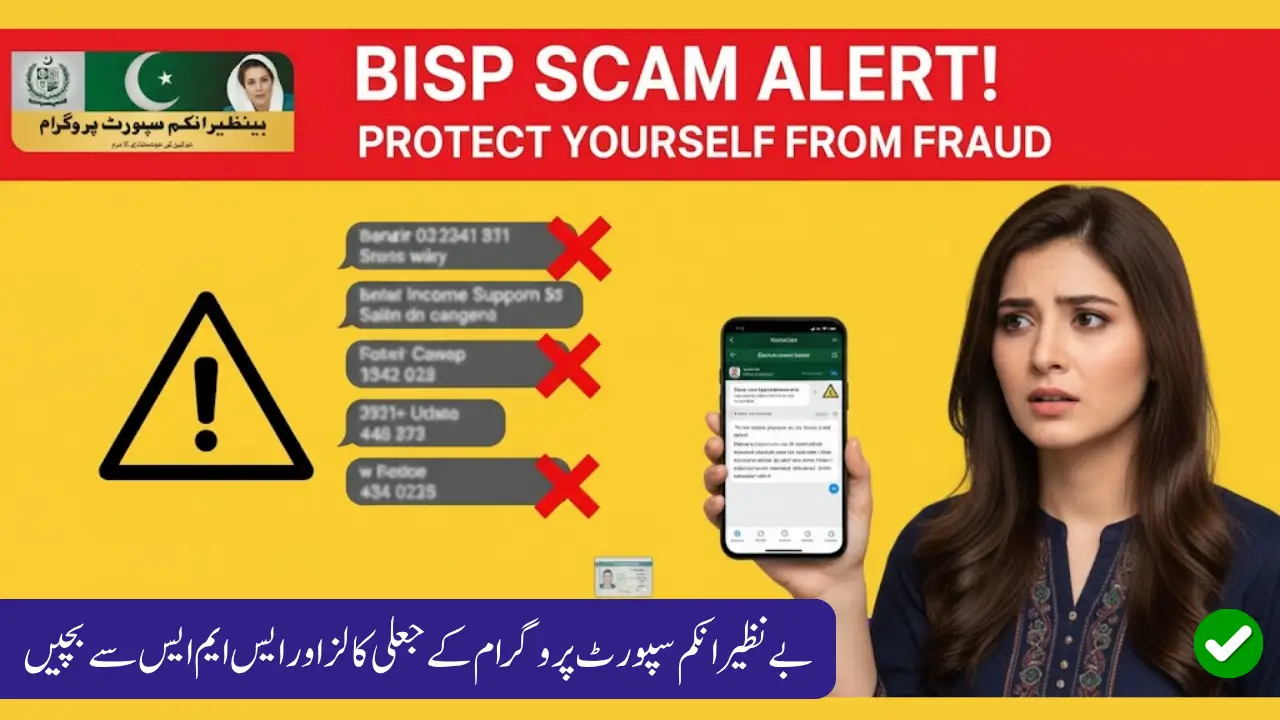
If you receive a call from someone claiming to be a representative of the Benazir Income Support Programme (BISP) or an SMS from any number other than 8171, it could be a scam. Many people have been targeted by fraudsters who try to steal personal information, CNIC details, or even demand fake fees.
It is important to understand how these scams work and how you can stay safe. This article explains everything you need to know about the BISP 8171 Scam Alert, the official procedures, and how to protect yourself.

What is the BISP 8171 Scam?
The BISP 8171 Scam refers to fraudulent calls, SMS, or messages that claim to be from the Benazir Income Support Programme. These scams are designed to trick people into sharing their personal information or paying fake fees. The official BISP number for SMS is 8171, and all registration for BISP is completely free. Any other number, message, or call asking for payment is not genuine and should be treated as a scam.
Official Channels versus Fake Channels: BISP 8171 Scam Red Flags
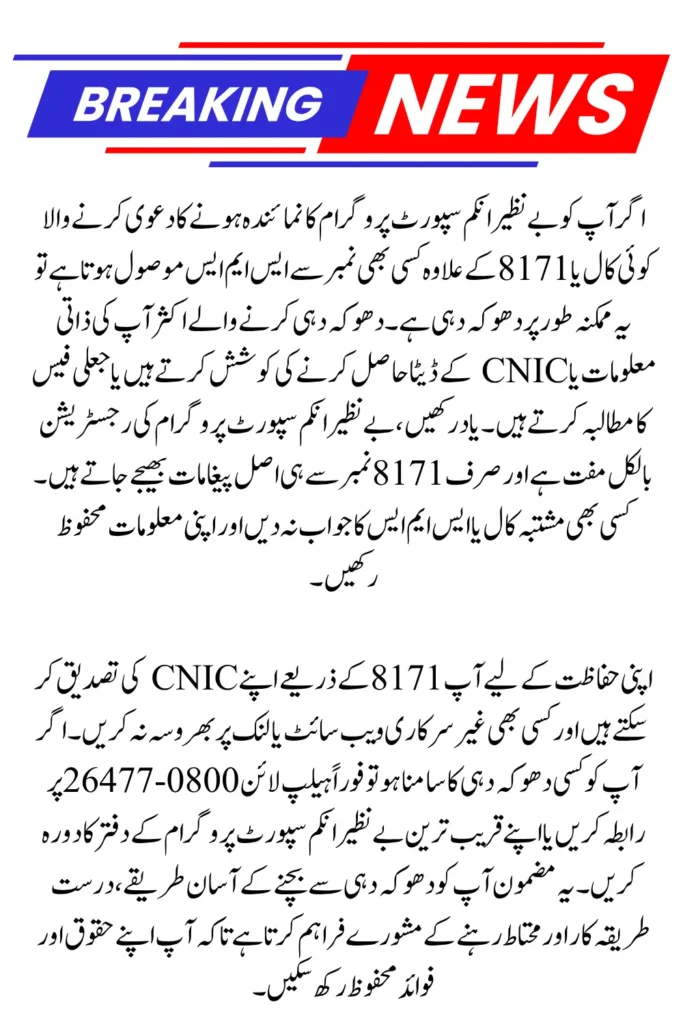
It is important to know how to identify a BISP scam. Some common warning signs include receiving messages from numbers other than 8171, calls asking for fees, messages that request bank account details or OTPs, urgent messages pressuring you to respond immediately, and messages with poor spelling or grammar. If you notice any of these signs, do not respond or share any information.

How Scammers Impersonate BISP: Common Tactics
Scammers use different methods to trick people into giving personal information. They often use masked phone numbers to appear official, create fake websites claiming to check BISP status, send social media or WhatsApp messages promising extra benefits, and make phone calls claiming urgent action is needed to receive payments. Always verify any message or call by using official channels before taking any action.
Step-by-Step: What to Do if You Receive a Suspicious Call or SMS
If you receive a suspicious message or call, follow these steps to protect yourself:
- Do not reply to the call or SMS.
- Do not click on any links in the message.
- Do not share OTPs, passwords, or bank account details.
- Save the message or call details for reference.
- Report the scam to the BISP helpline 0800-26477.
- Visit your nearest BISP office if you want to confirm your status or report the issue.
Proof It is Real: BISP 8171 Scam Facts
There are some important facts to remember about BISP:
- All official BISP messages are sent only from 8171.
- BISP registration is completely free; anyone asking for a fee is committing fraud.
- You can always contact the official BISP helpline at 0800-26477 for verification.
By following these facts, you can always ensure you are communicating safely with BISP.
How to Verify Your BISP Status Safely
To check your BISP status safely, send your CNIC number through SMS to 8171. Avoid checking your status on third-party websites or social media links, as these are often used by scammers. Only official BISP channels should be trusted for confirmation. This method is simple, secure, and ensures that you are not falling victim to any fraud.
How to Report a BISP 8171 Scam
Reporting a scam is an important step in protecting yourself and others. If you encounter a suspicious call or message, call the BISP helpline at 0800-26477 or visit your nearest BISP office. Save the message or call details as evidence. Reporting helps authorities take action against scammers and prevents further fraud. Always make sure to use official channels for reporting.
Real Examples: Recent BISP 8171 Scam Patterns
Many people have reported receiving fake messages claiming urgent payments or special benefits. Common patterns include messages claiming urgency, requests for CNIC or bank account details, and messages from unofficial numbers or websites. These examples show that scammers try to create fear and urgency to trick people. Being aware of these patterns can help you recognize scams before you respond.
Preventive Tips for Families
Families can take several steps to protect themselves from scams. Save 8171 as the official number in your phone, do not forward unknown messages to others, teach family members how to recognize red flags, and share printed guides or official screenshots from BISP. Especially elders should be informed about these scams because they are more likely to respond to fraudulent calls or messages.
Safe Verification Steps for BISP 8171
| Step | Action | Purpose |
|---|---|---|
| 1 | Send CNIC to 8171 via SMS | Official verification |
| 2 | Do not share OTPs or bank details | Prevent fraud |
| 3 | Save suspicious messages or calls | Evidence for reporting |
| 4 | Call BISP helpline 0800-26477 | Confirm status or report scam |
| 5 | Visit nearest BISP office | Direct assistance and verification |
Conclusion
The BISP 8171 Scam can lead to financial loss or identity theft if precautions are not taken. Always trust messages from 8171 only and remember that BISP registration is free. Use the official BISP helpline 0800-26477 or visit local offices for verification. Staying alert, following these steps, and educating your family can ensure that you remain safe while using BISP services.
FAQ: Quick Answers About the BISP 8171 Scam
Is BISP registration free?
Yes, BISP registration is completely free.
Which number is official for BISP messages?
Only 8171 is the official number.
What should I do if someone asks for a fee?
Do not pay; report the issue immediately to BISP.



Can I verify my BISP status safely online?
Yes, only by sending your CNIC to 8171 via SMS.
This article has explained all procedures, preventive measures, and official steps in detail to guide you. Following this information will help you stay safe from the BISP 8171 Scam and ensure your CNIC and personal information are protected.