Good News for Pakistanis Planning to Buy Solar Panels: Prices Drop Significantly Across the Country
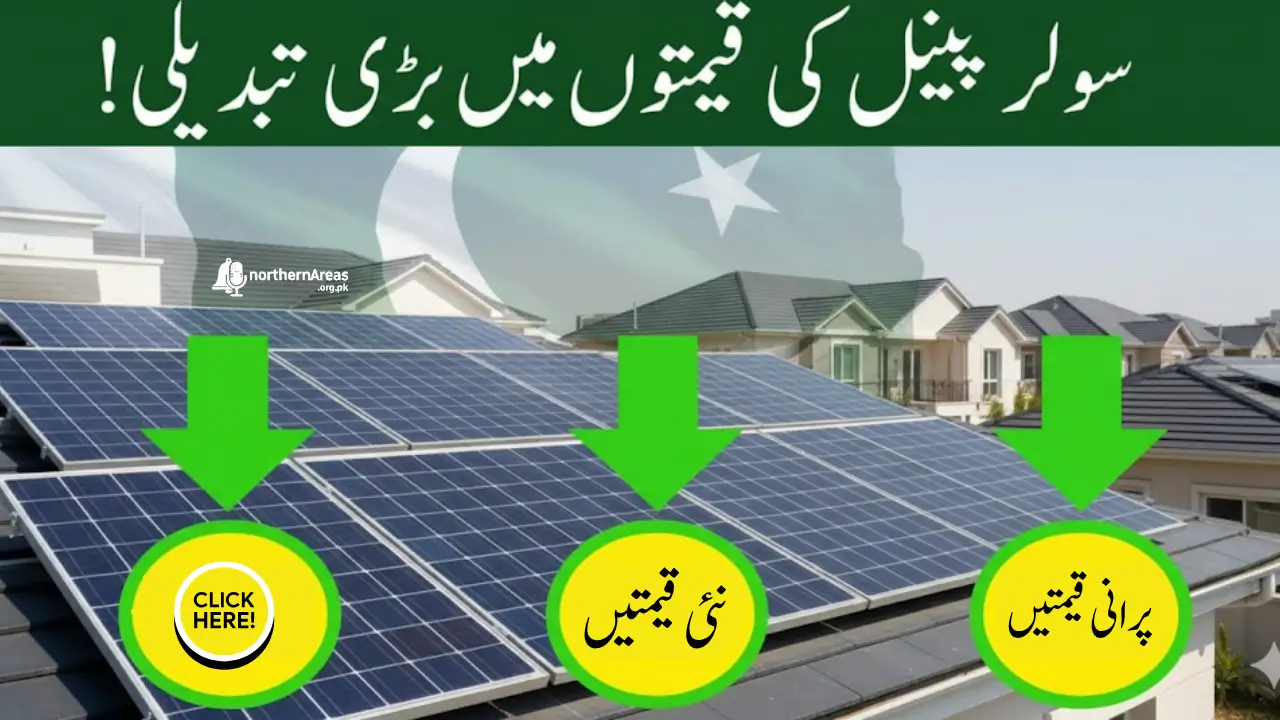
Solar Panels Prices Drop
In recent years, the use of solar panels has increased rapidly across Pakistan. With rising electricity prices, long hours of load shedding, and high monthly bills, both domestic and commercial users are shifting toward solar energy. Rooftop solar systems have become a common sight in many cities, showing how Pakistanis are adopting this clean and affordable energy source.
BISP October 2026 Camp Payment Locations in [City/Province] Full List and Details

| Point | Details |
|---|---|
| Main Reason | Start of local solar panel production |
| Key Projects | Net Line (Pakistan) + Turkish firm, Punjab Govt + AIKO (China) |
| Production Capacity | 180 MW per year |
| Investment | $30 million |
| Timeline | 2026–2027 |
| Benefits | Lower prices, energy savings, fewer imports |
| Future Goal | Energy independence through local manufacturing |
Reasons Behind the Drop in Solar Panel Prices
The biggest reason for the recent decrease in solar panel prices is the start of local production within Pakistan. Previously, most panels were imported, making them expensive due to taxes and shipping costs. Now, with new manufacturing units being established in the country, the overall cost has gone down, making solar energy more affordable for the public.
Punjab 5th and 8th Class Board Exams 2026: Registration Dates, Schedule & Results


Local Production of Solar Panels Begins in Pakistan
According to energy experts, Pakistan has officially begun assembling and manufacturing solar panels locally. This step marks a new era of energy development. The local production will not only reduce import dependency but also create job opportunities and boost the national economy.
Major Projects and Investments in Solar Manufacturing
A major milestone in this direction is the partnership between Pakistan’s Net Line Company and a Turkish firm, which has started a joint venture near Islamabad. The project involves setting up a factory with an annual production capacity of 180 megawatts of solar panels. The investment for this project is around 30 million dollars, and it is being completed in three phases. It started in 2026 and is expected to become fully operational by 2027, enabling the production of “Made in Pakistan” solar panels.

Similarly, the Punjab Government signed an agreement in August 2025 with China’s AIKO company, a leading clean energy technology firm. This project will establish a large solar assembly and manufacturing plant in Punjab, further supporting the local industry and reducing reliance on imported panels.
BISP 8171 Installment November 2026 New Districts Know Full FlashList Guide
Benefits for Domestic and Commercial Users
With local manufacturing and declining prices, both households and businesses can now install solar systems at much lower costs. This shift means long-term savings, reduced electricity bills, and freedom from power cuts. It also supports the government’s vision of promoting renewable energy and reducing carbon emissions.
Future of Solar Energy in Pakistan
As these projects progress, Pakistan is moving toward becoming self-sufficient in solar energy technology. By 2026, the country is expected to meet a large portion of its solar panel demand locally. This not only strengthens the energy sector but also provides citizens with reliable and affordable access to clean energy.





Conclusion
The fall in solar panel prices and the start of local manufacturing mark a major achievement for Pakistan. These developments will help reduce electricity costs, create jobs, and move the country toward energy independence a bright step for a sustainable future.
YOU CAN ALSO READ: How to Win a Sindh Job Portal Junior Clerk Position in 2026: Step-by-Step Application, Screening Test Tips & Transparency Checklist